
Reseller guides
What to Buy at Thrift Stores to Resell (and What Just Sits)
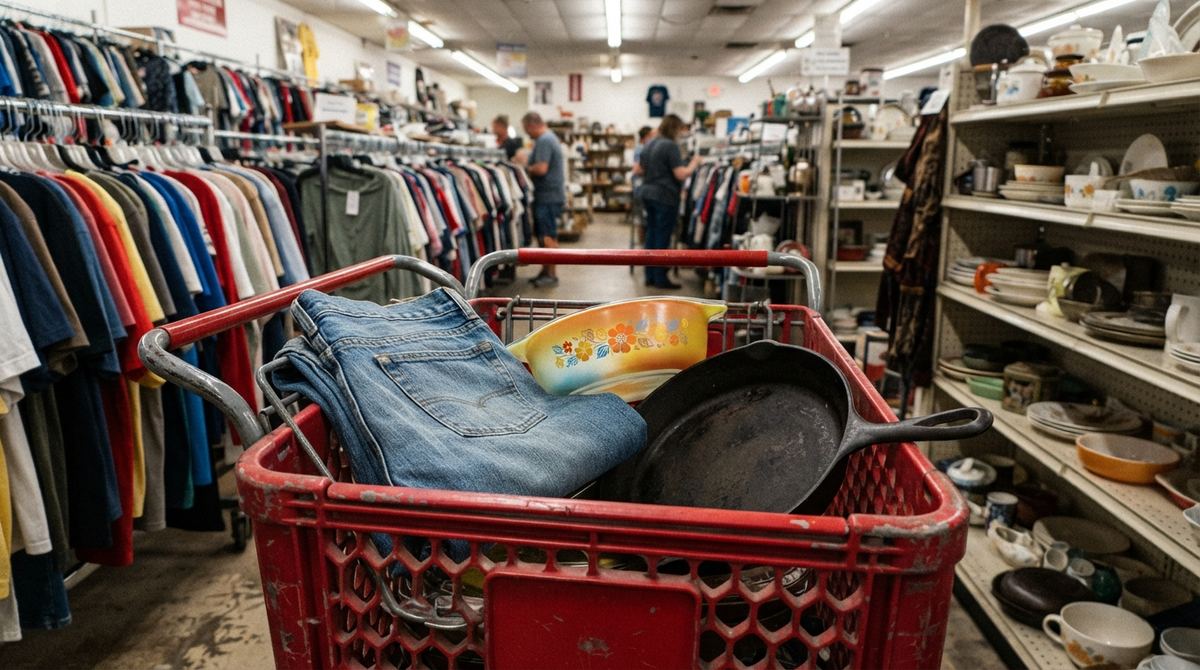
Every thrift run comes down to one question: what to buy at thrift stores to resell, and what to leave on the shelf. The finds that pay aren’t always the prettiest ones. They’re the ones people are already searching for, that you can sell for well over what you paid, and that won’t sit in a bin for a year. Here’s how to tell the difference before you reach the register.
Three questions before anything goes in the cart
- Does it sell? Not “is it listed for a lot”, but have people actually bought it recently.
- For how much, after fees and shipping? A $30 sale isn’t $30 in your pocket.
- How fast? An item that sells in two weeks is worth more to you than one that might sell next spring, because the money and the shelf space come back sooner.
If you can’t answer all three with a quick look on your phone, it’s usually a pass. The exception is something you know well from experience; that knowledge is the best sourcing tool you have.
Categories that tend to sell
No list is a guarantee: prices change, and the same brand can be a winner in one style and a dud in another. But these categories show up again and again in resellers’ sold listings:
- Brand-name clothing and shoes. Quality denim, outdoor and workwear brands, athletic brands and well-made leather shoes. Look for good fabric, clean condition and sizes people search for.
- Vintage kitchen. Colorful vintage glass bakeware, older cast iron, retro casserole dishes and quality cookware. Heavy, but buyers pay for it.
- Video games and retro tech. Older consoles, cartridge games, handhelds, film cameras and lenses. Test what you can, or buy cheap enough to sell as “for parts”.
- Media with a following. Vinyl records, some VHS (especially horror and cult titles) and niche or out-of-print books. Common titles are another story (see below).
- Sporting goods and tools. Golf clubs, baseball gloves, fishing reels, hand tools and quality power tools.
- Collectibles and vintage décor. Older holiday decorations, mid-century pieces and anything with a dedicated collector base. Our holiday prep guide covers what to list and when.
What usually sits
These are the items that fill death piles. They can sell, but often slowly and for little:
- Fast fashion. Cheap mall and online-only brands, even when new with tags. There are thousands of the same piece listed for a few dollars.
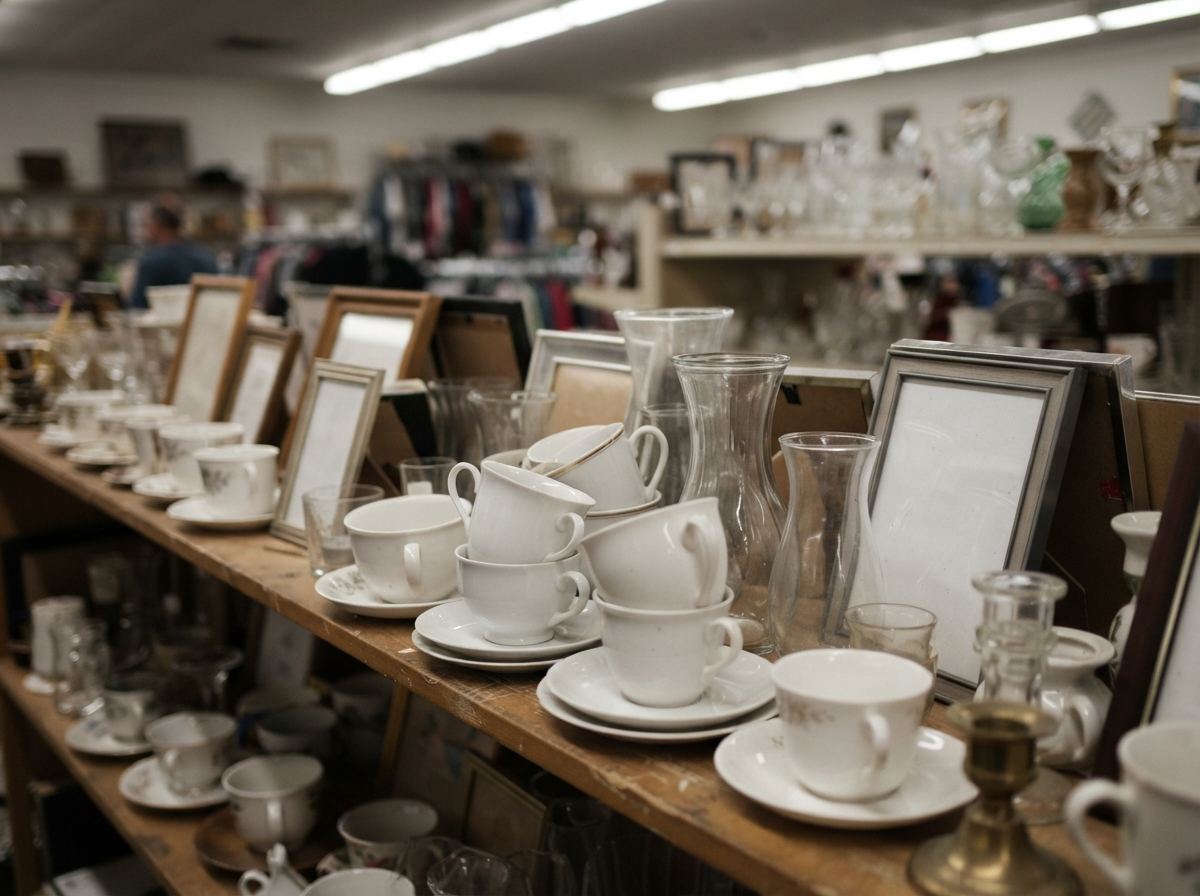
- Generic home décor. Plain vases, mass-made picture frames, candle holders and “live, laugh, love” style signs.
- Common books and DVDs. Bestseller paperbacks, popular movies and TV box sets that every store has in stock.
- China sets and teacups without a name. Heavy, fragile and hard to ship for the price they bring.
- Big, bulky items. Furniture and large décor can sell locally, but shipping usually eats the profit.
- Outdated electronics. Old printers, DVD players, cords and computer accessories with no collector appeal.
Tip: a good rule of thumb is that if the store has a whole shelf of something, so does every marketplace. Rare beats pretty.
Red flags to check in the aisle
Most dead inventory was already dead when it was bought. Before you pay, check:
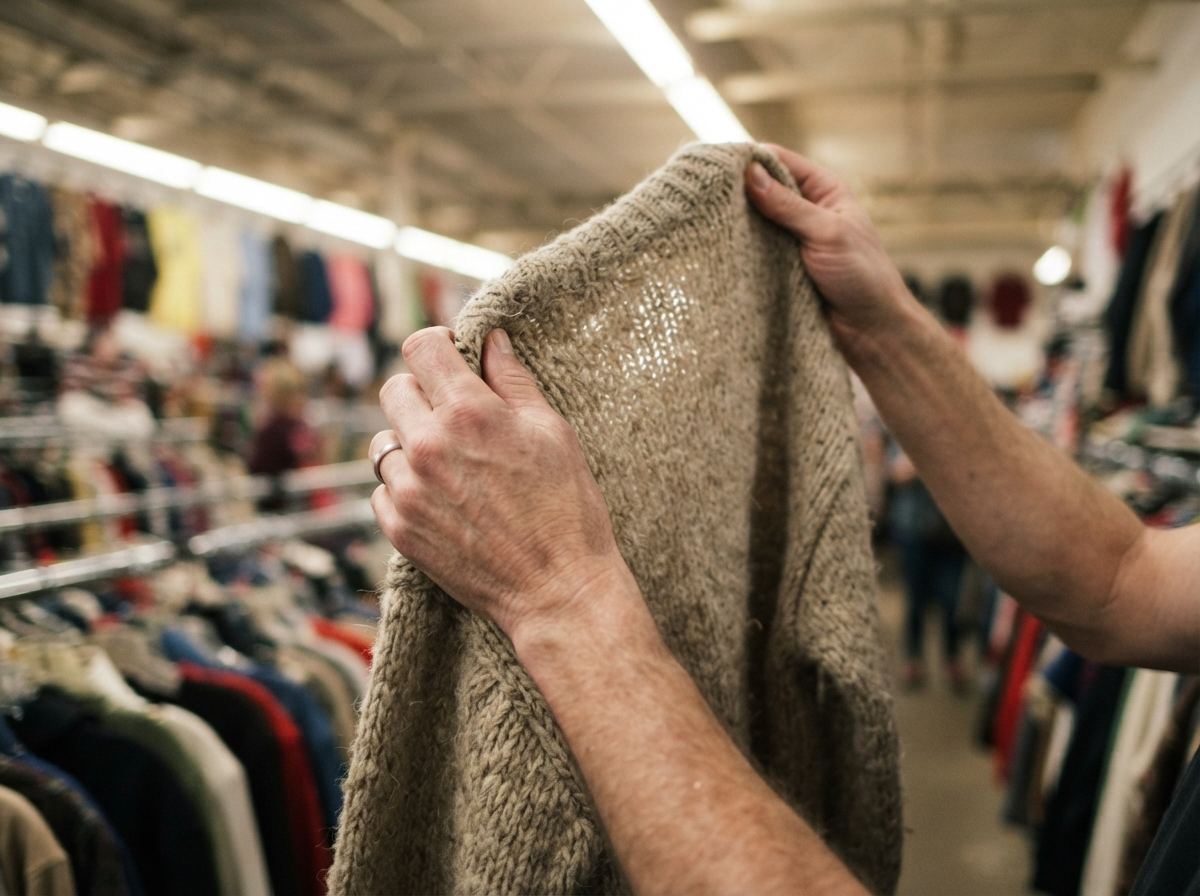
- Stains, holes and pilling. Hold clothing up to the light and check underarms, collars, cuffs and the seat of pants.
- Smells. Smoke, mildew and heavy perfume are hard to get out, and buyers notice.
- Chips and cracks. Run a finger around rims and edges of glass and pottery. Hold glass up to the light for hairline cracks.
- Missing pieces. Games, puzzles, sets and anything with a lid, cord, remote or charger. Count before you buy.
- Untested electronics. Many stores have an outlet for testing; bring a few batteries. Untested items sell for much less.
- Fakes. Designer bags, sneakers and jewelry are often counterfeit. Selling counterfeits isn’t allowed on any major marketplace, so pass unless you know how to authenticate the brand.
- Recalled or unsafe kids’ items. Selling recalled products is against the law, and some used children’s items, like older cribs and car seats, are risky to resell. The Consumer Product Safety Commission has a guide for resellers, and you can search the recall list.
Items that turn out damaged after you get home still cost you money. Our real death pile guide covers what to do with them, and how to keep their cost for tax time.
Checking sold prices on your phone
The most useful habit in thrifting is looking at what actually sold, not what sellers are asking.
- Open the eBay app and search for the item (brand, model, size or pattern name).
- Tap Filter and turn on Sold items. You’ll see roughly the last three months of sales, with prices in green.
- Look for listings in the same condition as yours, and check whether shipping was free or extra.
- Now turn the filter off and see how many are listed for sale right now.
That last step tells you how fast it moves. If 20 sold in three months and 15 are listed, it sells well. If 3 sold and 200 are listed, you’ll be waiting a long time, or cutting the price. Resellers call this the sell-through rate: sold ÷ (sold + listed). In the first example it’s 20 ÷ 35, about 57%; in the second, about 1.5%.
eBay’s Product Research tool (Terapeak) in Seller Hub goes back further and shows averages. It’s worth a look at home for categories you buy often.
The quick math: is it worth it?
You don’t need a calculator in the aisle, just a rough version of this:
Typical sold price
− Marketplace fees (on eBay, often around 13–15% of the total in common categories)
− Shipping (if you offer free shipping)
− What you pay at the register
= Profit
Example: a pair of quality jeans costs $7. Similar pairs sold for about $38 with the buyer paying shipping. Fees of about $6.50 (eBay charges its fee on the shipping too) leave about $31.50, minus the $7 you paid: about $24 profit. A $4 fast-fashion top that sells for $12 with free shipping might leave you $1 or $2, or nothing.
Many resellers set a floor, for example “at least $15 profit” or “at least three times what I pay”, because every item also costs your time: cleaning, photos, listing, packing and storage. Pick a floor that fits you and stick to it in the aisle.
Let your own sales teach you
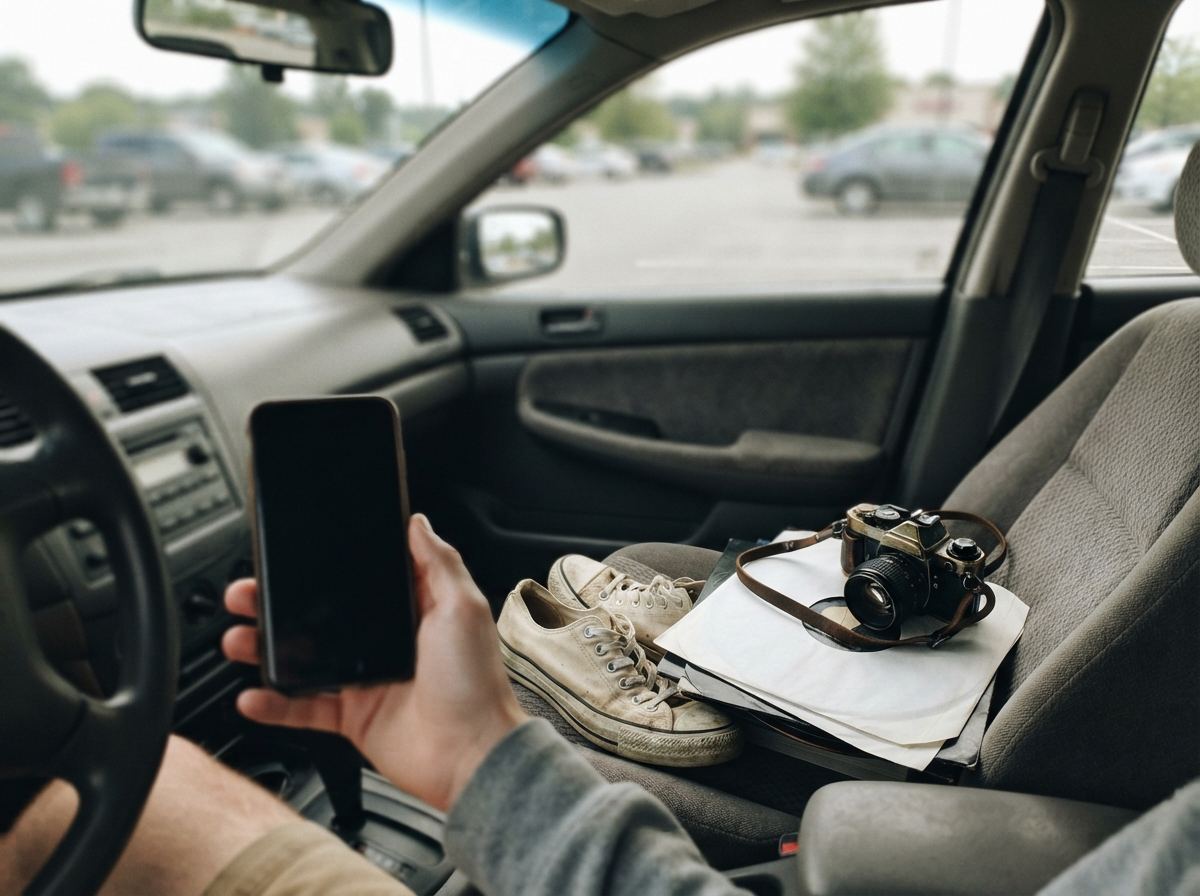
Lists like this one are a starting point. The best list is your own: which stores, which categories and which price points actually sold for you, and which ones are still sitting. To see that, you only need two things written down for every find:
- What you paid and where. The cost and the store (the source). Our cost of goods sold guide explains why the cost matters at tax time too.
- A SKU that follows the item. So each sale can be matched to its purchase. See how to create SKUs, or make a format with the free eBay SKU generator.
After a few months, patterns jump out: one store’s clothing sells in a week, another’s housewares sit for months. Spend more time where the money comes back, and less where it doesn’t. And if your death pile is mostly one kind of item, that’s a category to stop buying.
Quick answers
What sells best from thrift stores?
Brand-name clothing and shoes, vintage kitchenware, video games, film cameras, vinyl, sporting goods and tools are reliable categories. Within each, check sold prices for the exact item: condition, size and model matter more than the category.
Is it legal to resell things from thrift stores?
Yes, buying secondhand items and reselling them is legal and common. The exceptions are recalled products, counterfeits and items a marketplace bans. Sales are business income, so keep records of what you paid.
What’s a good markup for thrift flips?
Many resellers aim for at least three times their cost, or a minimum profit per item, such as $10 to $15 after fees and shipping. Cheap items with small margins rarely pay for the time they take.
How do I know if something will sell quickly?
Compare how many sold in the last three months with how many are listed now (the sell-through rate). A high number of recent sales and few active listings means it moves.
Should I buy something I can’t look up?
Sometimes. Unusual, well-made or old items with no comps can be great finds, but keep the price low and your expectations modest until you’ve learned the category.
How ReNventory helps
- Log it in the aisle. Take a photo, snap the price tag or scan a barcode, and the find is in your inventory with what you paid and today’s date, even with no signal.
- Remember the store. Every item keeps its Source (the store), so you can make an inventory tab for each store and see what came from where.
- See what’s sitting. The Dashboard splits what you paid for unlisted items by age (0–30, 31–89 and 90+ days), and you can add a “Stale 90+ days” inventory tab that shows exactly which finds are going nowhere.
- Track the duds honestly. Send items to the Death Pile with a reason (damaged, missing pieces, dirty, not selling), so you can see which buys didn’t work out, and what they cost.
- Know your numbers. Reports show your sales, cost of goods sold, profit and the average days from buying to selling.